Amman
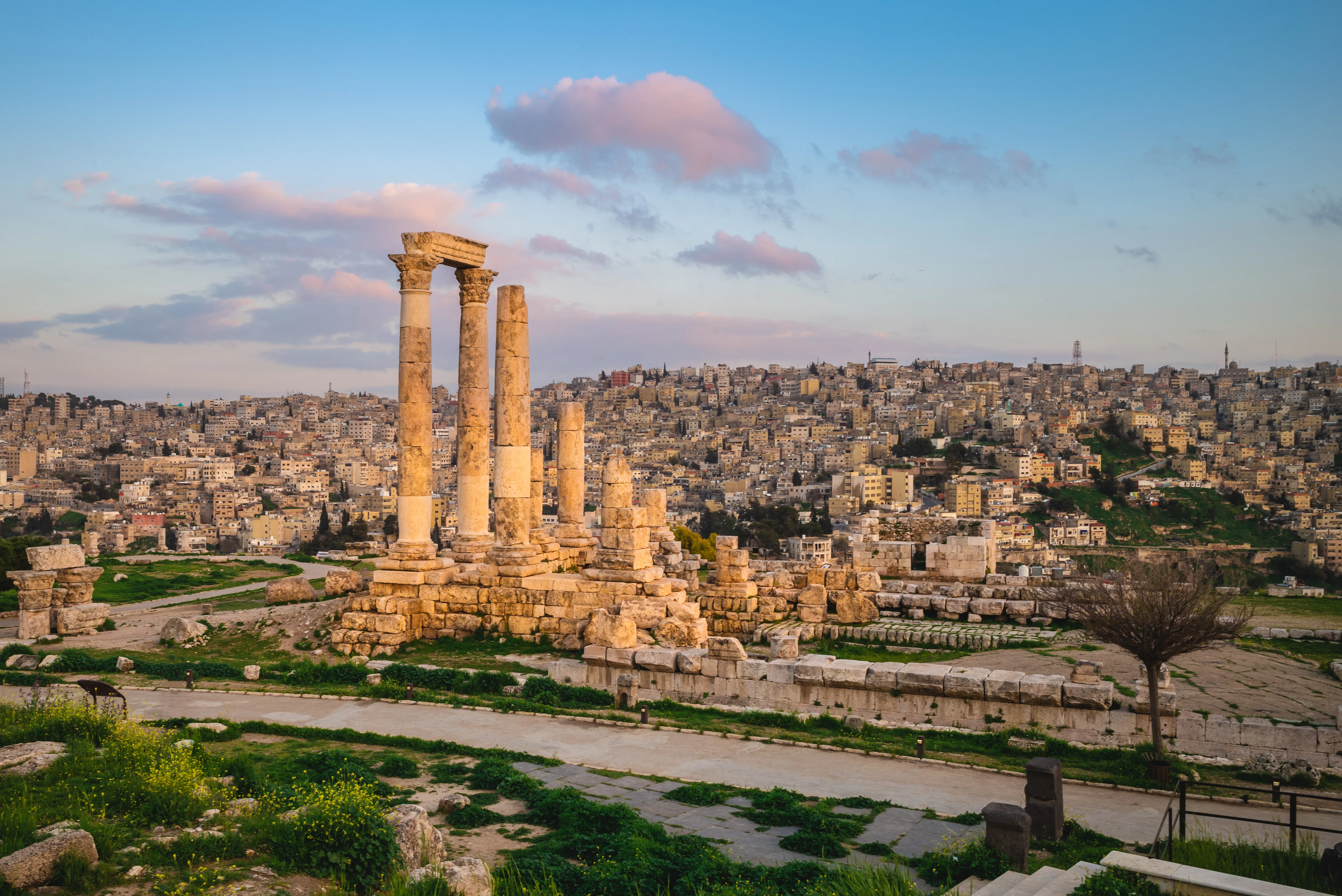
Living with Water Scarcity in Amman
Amman is one of the clearest examples of long-term urban water scarcity. In Jordan, renewable freshwater availability is far below internationally recognised scarcity thresholds, while population growth, urbanisation, refugee inflows, and groundwater overextraction continue to place pressure on the water system.1,2
Unlike cities with continuous daily supply, water access in Amman is shaped by distribution schedules, storage capacity, and uneven infrastructure conditions. Many households receive water only on specific days, making scarcity part of everyday life rather than an occasional disruption.3,4
Amman therefore represents a city already living with structural scarcity. Its experience shows how limited resources, governance constraints, and household adaptation interact under sustained water pressure.2,5
Due to limited availability of city-level data, multiple visualizations presented on this page use national data for Jordan rather than data specific to Amman. However, national trends in water resources, supply, and management can still provide important context for understanding the challenges faced by the city.2
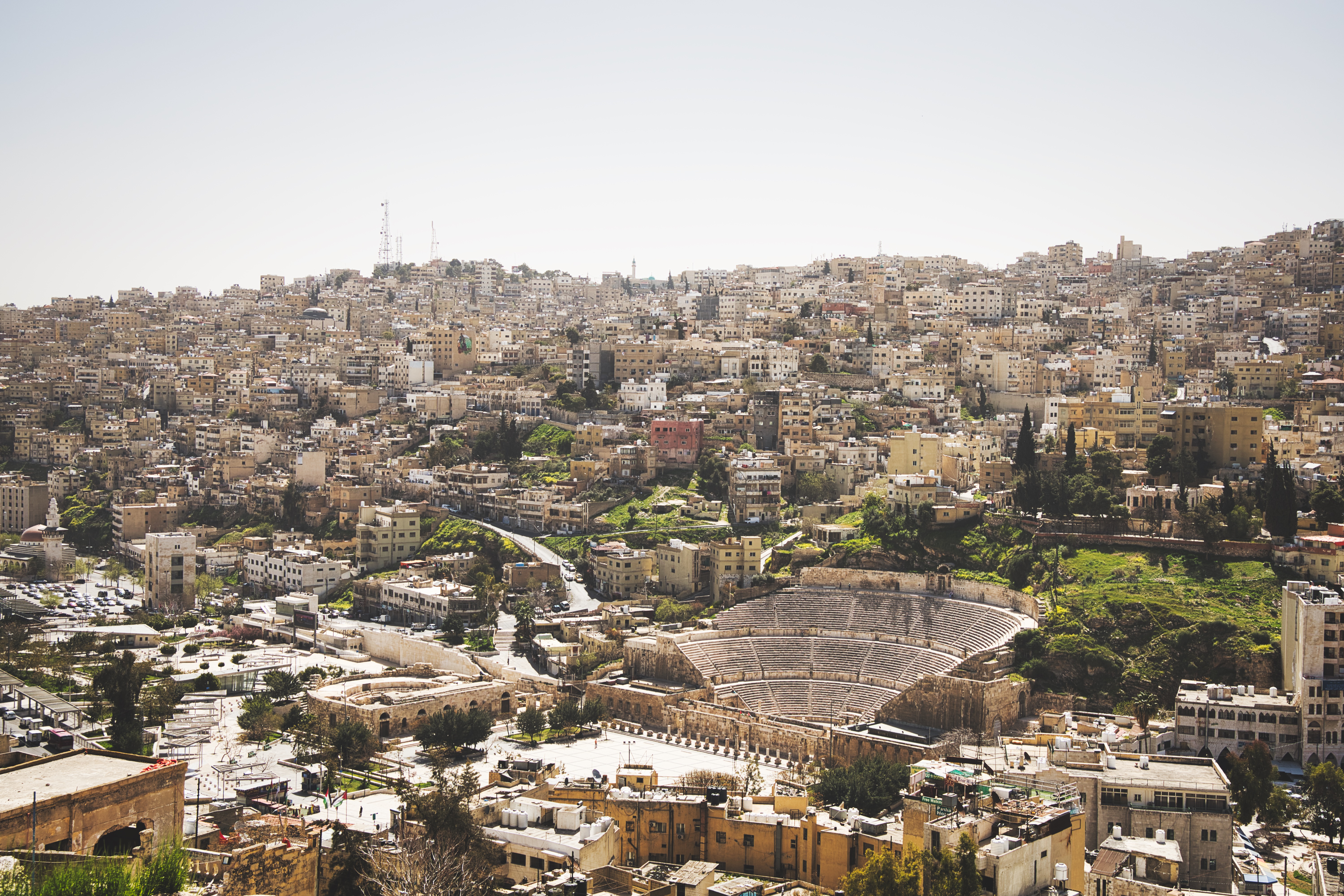
Annual Water Source Use
Adapting to Scarcity
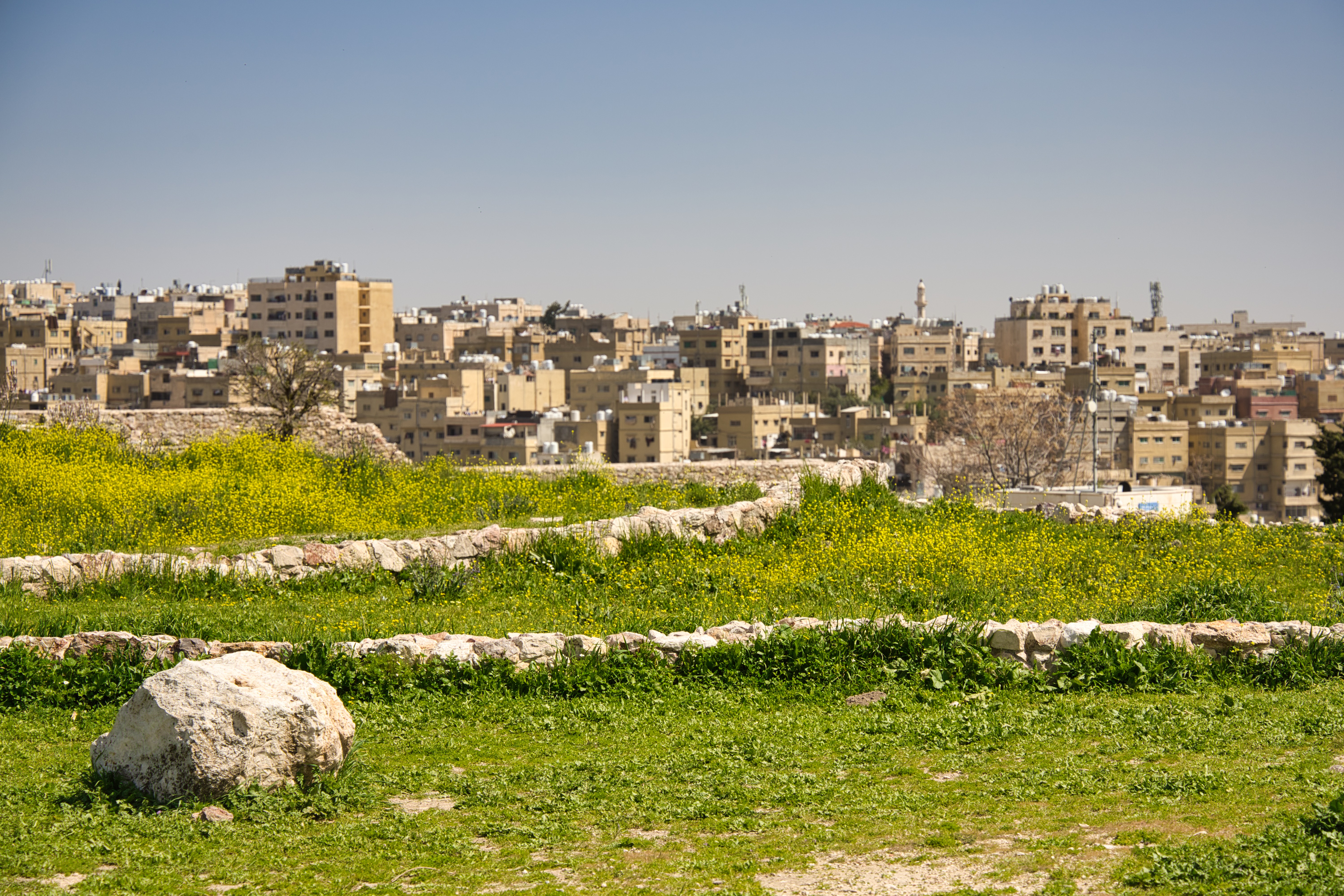
In Amman, scarcity directly shapes daily routines. Because water is often supplied intermittently, households commonly rely on rooftop tanks to store water between delivery days.3,4
These storage systems reduce short-term vulnerability, but they also reveal inequality. Households with larger tanks or more financial resources are better able to cope with interruptions, while lower-income households may depend on costly private water tankers during peak scarcity periods.6
Amman’s experience shows that water scarcity is not only an environmental condition. It is also an infrastructure, governance, and equity challenge shaped by investment capacity, institutional coordination, and household resources.2,5