Barcelona
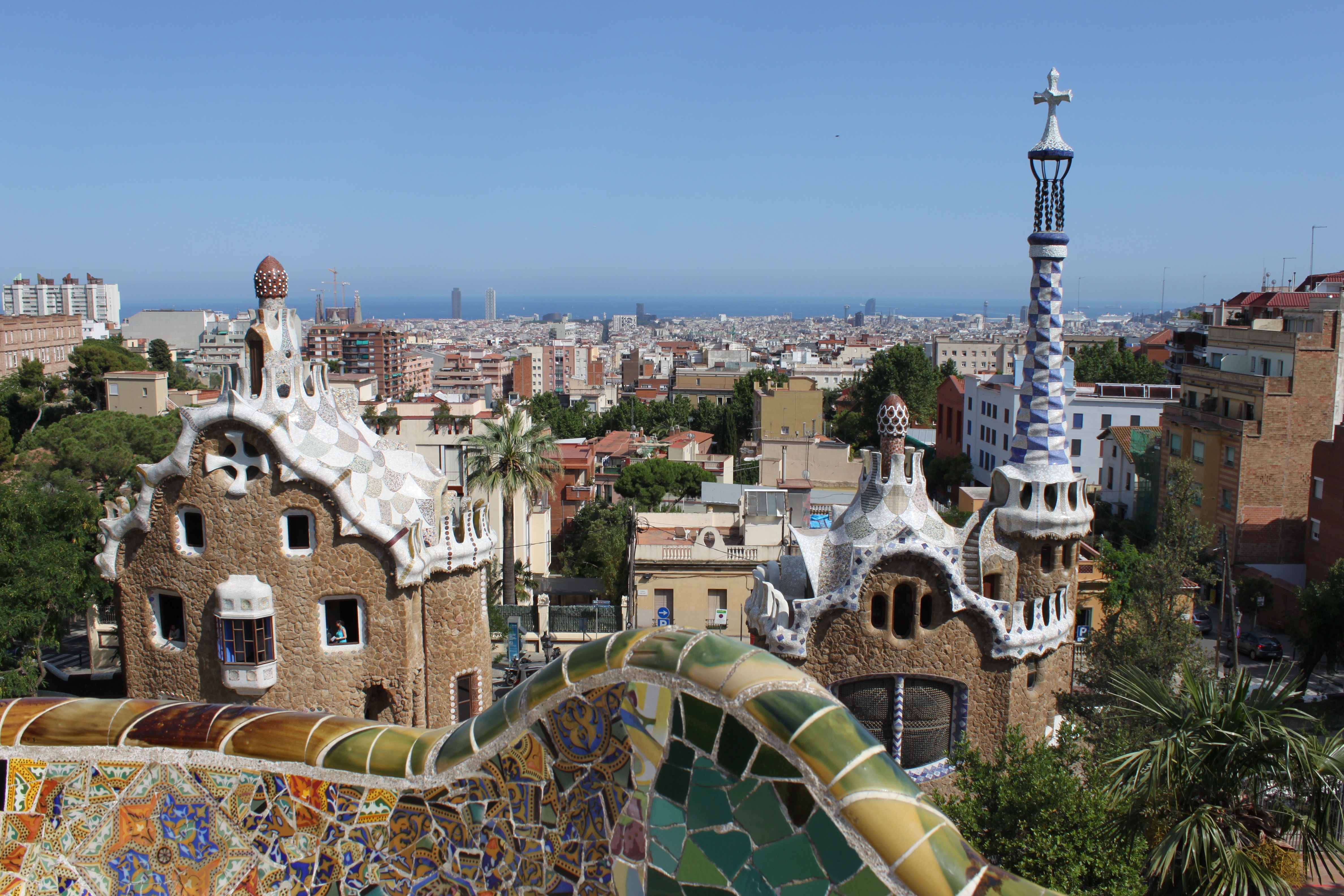
Living with Water Scarcity in Barcelona
While daily water access remains reliable for most residents, the city depends on a much wider regional system that stretches across Catalonia. Reservoirs, river basins, groundwater, desalination, and reclaimed water all work together to support urban life and economic activity.1
The city’s water challenge is shaped strongly by seasonality. Hot, dry summers increase water demand at the same time rainfall becomes less predictable. During peak tourist seasons, millions of additional visitors place extra pressure on the system, intensifying demand exactly when natural water availability is often lowest.2
Rather than experiencing constant scarcity, Barcelona faces recurring periods of pressure linked to regional drought and climate variability. Water security in the city is therefore not only determined by local infrastructure, but also by the condition of reservoirs and water systems across the wider Catalan region.2,3
Monthly Reservoir Levels
Annual Precipitation in Barcelona
Barcelona Water Consumption
Adapting to Scarcity
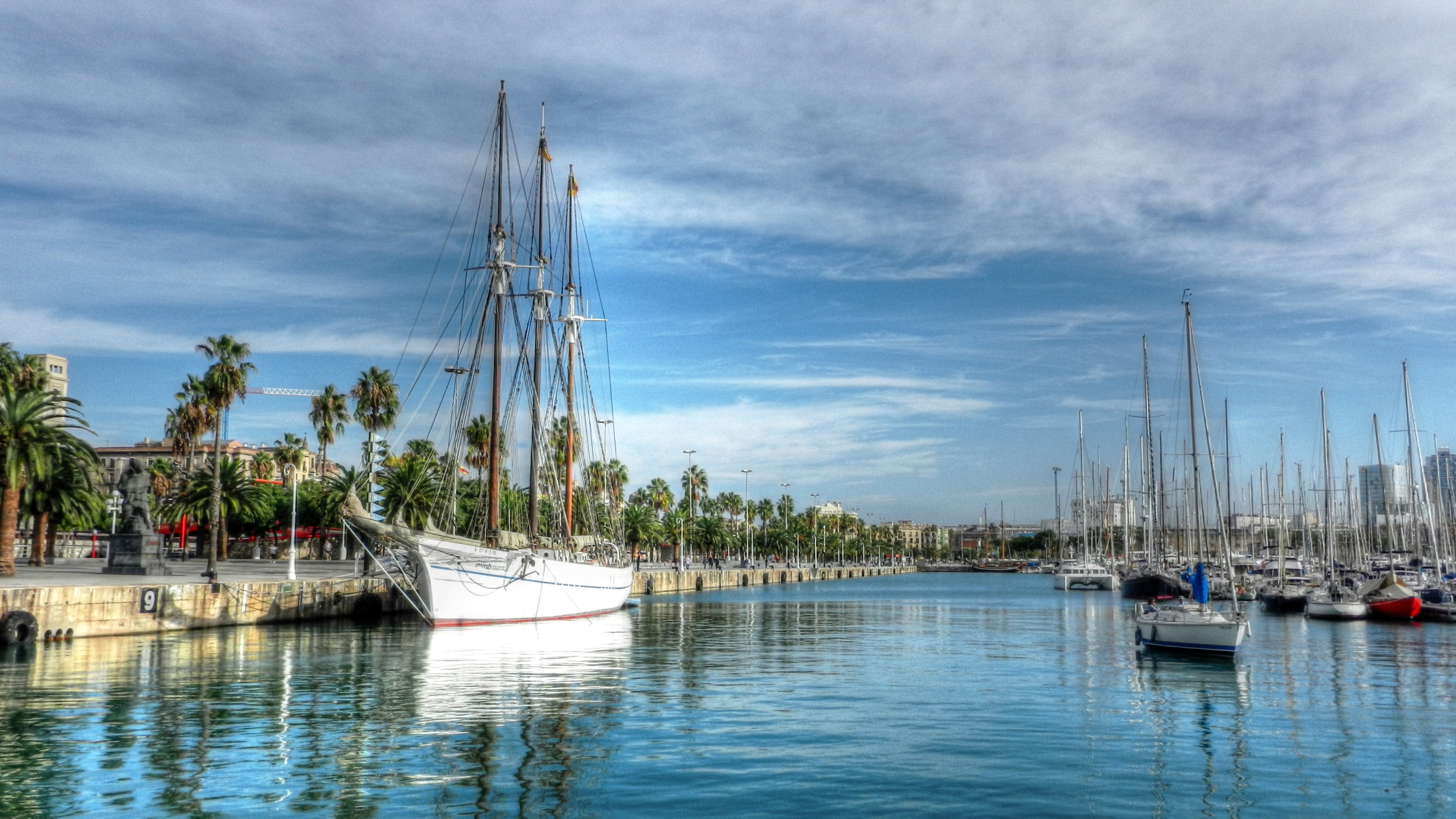
In Barcelona, adaptation increasingly focuses on reducing dependence on rainfall alone. Rather than waiting for severe shortages, the city has invested in diversification through desalination, reclaimed water, and regional water management strategies designed to improve resilience during dry periods.1
Public campaigns have also become an important part of adaptation. During drought periods, restrictions and awareness efforts encourage households and businesses to reduce water use, helping decrease pressure across the wider system.3
Water scarcity in Barcelona is therefore not simply a local issue. It emerges through the interaction between climate variability, seasonal demand, tourism pressure, regional reservoirs, and the city’s ability to adapt before temporary stress becomes long-term vulnerability.2,3