Cape Town
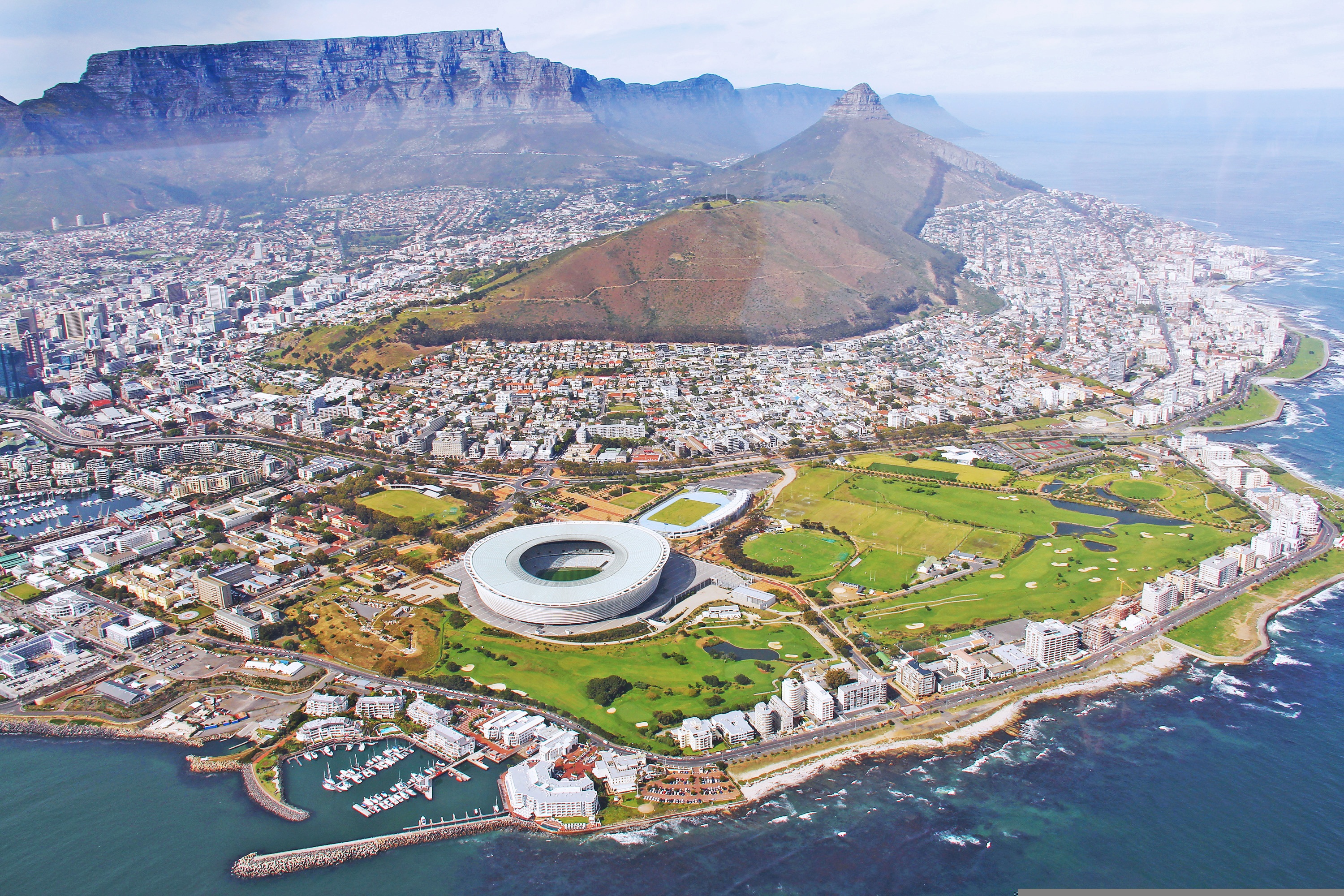
Living with Water Scarcity in Cape Town
Cape Town’s water story is shaped by the memory of a near-crisis. Between 2015 and 2018, several years of low rainfall pushed the city close to “Day Zero,” the point at which most municipal taps would have been shut off and residents would have had to collect water from distribution points.1,2 The city depends heavily on the Western Cape Water Supply System, a network of large dams replenished mainly by winter rainfall. This means Cape Town’s water security is closely tied to seasonal rainfall: when winter rains arrive late or remain below average, dam levels can fall quickly from comfortable to critical.1
As dam levels declined, the municipality introduced strict restrictions, pressure management, tariff increases, public dashboards, and communication campaigns to drive rapid water savings. Residents and businesses were asked to change everyday practices, from reducing shower times and reusing greywater to cutting outdoor water use.1,2
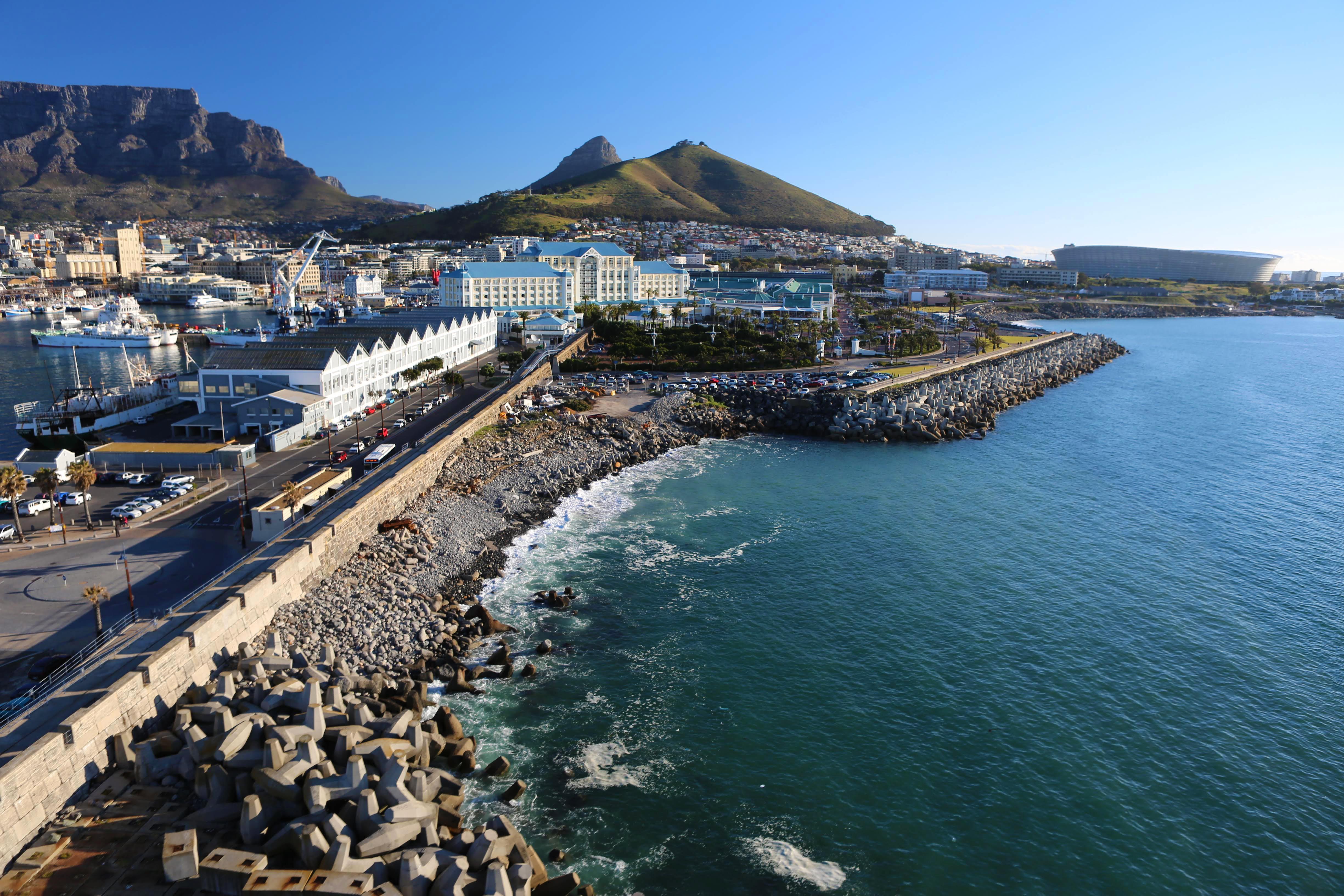
Dam Storage and Day Zero Risk
Annual Precipitation
Water Consumption During Crisis

Cape Town’s crisis response relied heavily on reducing demand. Restrictions, pressure management, tariffs, and public communication worked together to reduce consumption across households and businesses.1,2
The reduction in water use became one of the most visible aspects of the city’s response and demonstrated how quickly consumption behaviour can change when scarcity becomes immediate and highly visible.1
Inequality and Uneven Adaptation
Cape Town’s response reduced overall water demand, but the burden of adaptation was not shared equally. Wealthier households often had ways to soften or bypass restrictions, such as installing boreholes, buying storage tanks, investing in water-saving technologies, or absorbing higher costs and fines. For these residents, saving water often meant reducing discretionary uses such as gardens, pools, and car washing.2
In townships and lower-income communities, the experience was different. Many residents were already living with limited water access and had far less discretionary consumption to reduce. Asking these communities to “save water” often placed additional pressure on people already using minimum amounts. In this sense, the crisis revealed how water scarcity interacts with South Africa’s wider history of inequality and spatial segregation.1,2
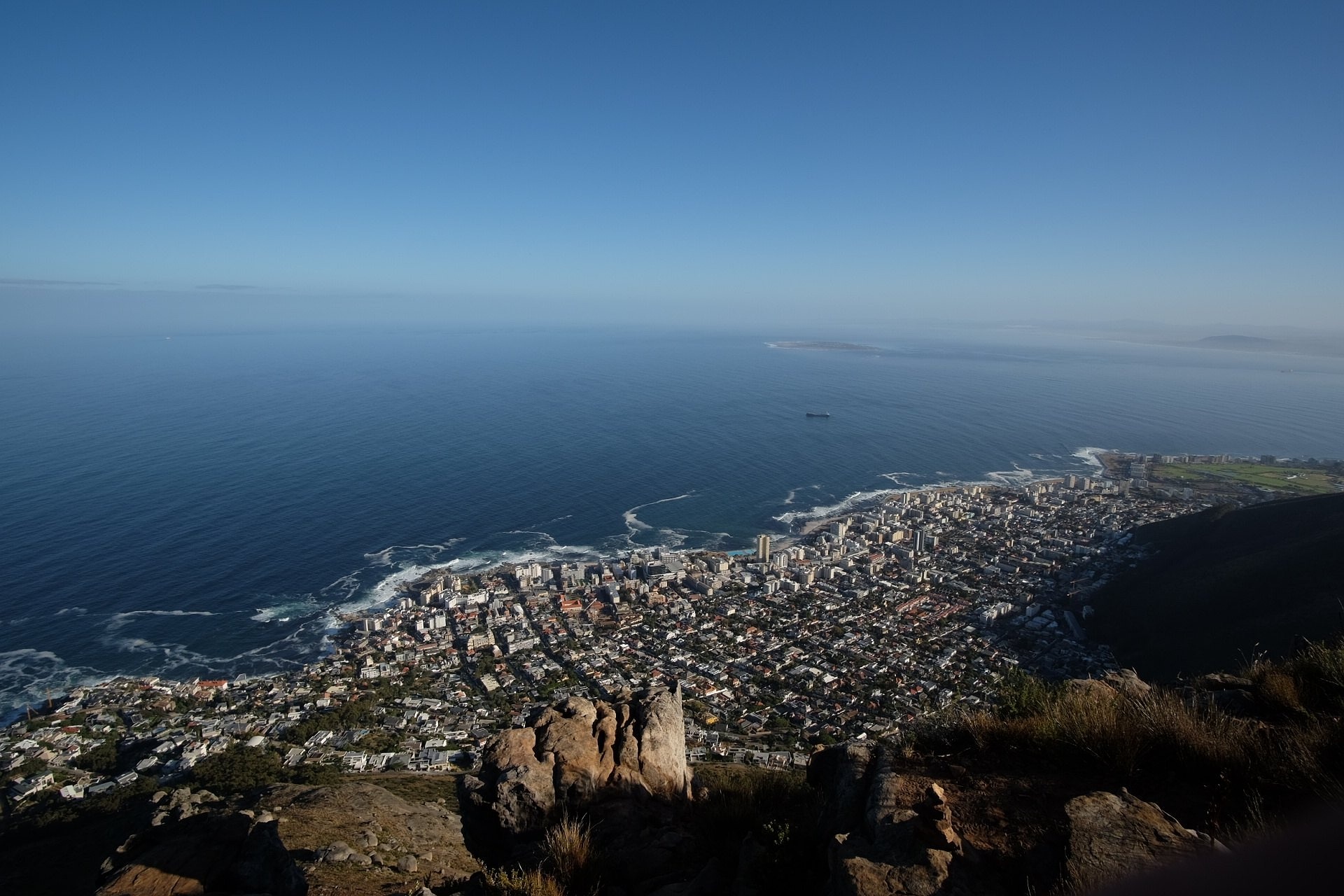
Adapting to Scarcity

Cape Town demonstrates both the power and limits of crisis-driven resilience. Rapid demand reduction helped avoid the worst-case scenario, but the response was stressful, uneven, and partly dependent on winter rains returning in time.1
Water scarcity in Cape Town therefore emerges through the interaction between rainfall, dam storage, governance, public behaviour, and inequality. The case shows that resilience is not only about keeping taps running, but also about who carries the burden when water becomes scarce.1,2