Singapore
Living with Water Scarcity in Singapore
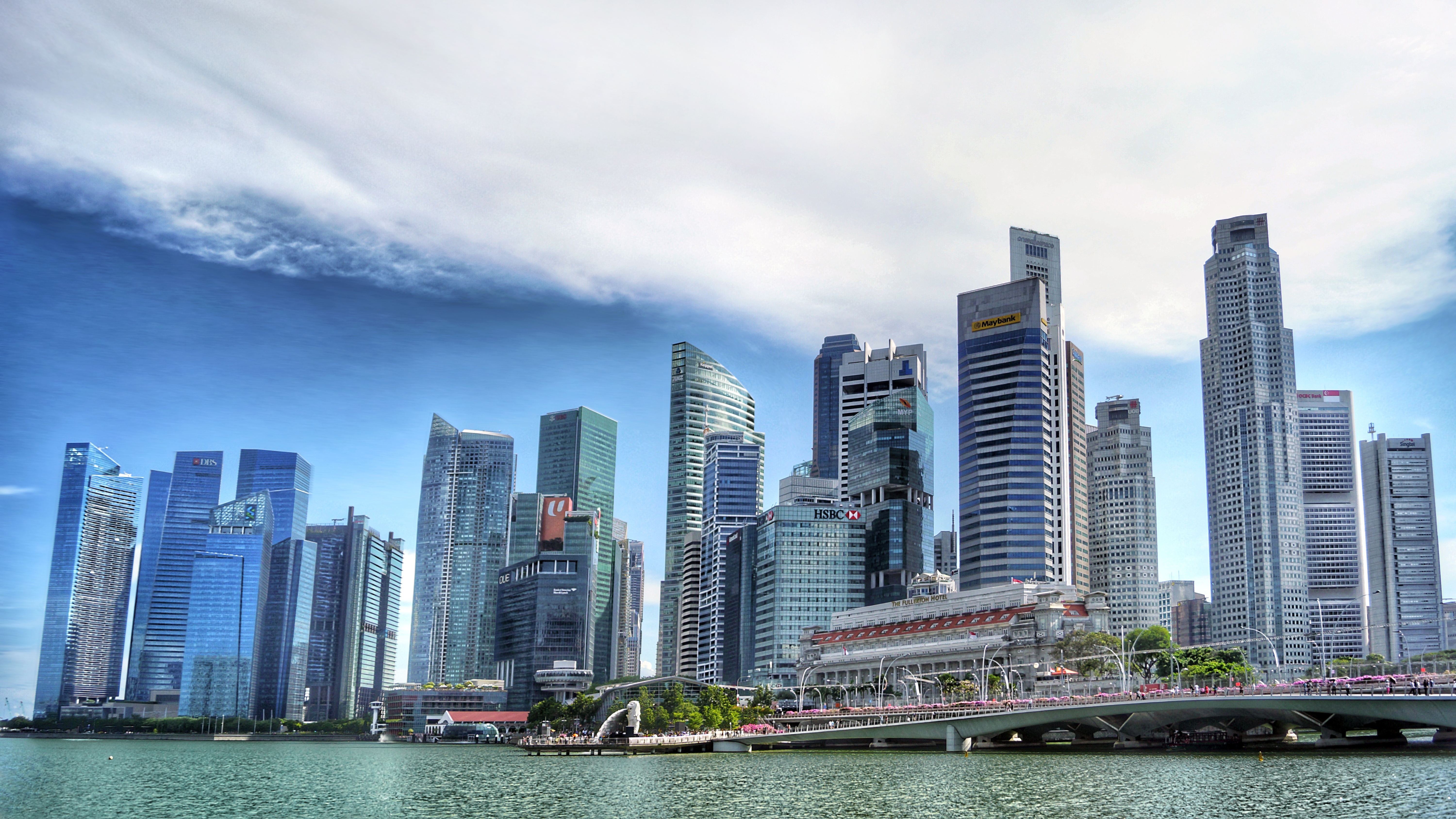
Singapore is not defined by the scarcity it experiences today, but by the scarcity it anticipated decades ago.1
As a small island nation with limited natural freshwater resources, Singapore has long faced a fundamental challenge: how can a growing city secure a reliable water supply without depending entirely on external sources? Rather than waiting for shortages to emerge, Singapore transformed water security into a national priority and began planning far beyond immediate needs.
Singapore is often presented as a success story in urban water management, and for good reason. Through long-term planning, infrastructure investment, reuse, desalination, and strong institutional coordination, the city-state has built one of the world’s most integrated water systems.2 The purpose of having Singapore as a case study is meant to ask what resilience looks like when a city treats water security as a central political and strategic priority.
Singapore offers an important counterpoint to the more crisis-driven cases. It shows that water vulnerability can be addressed proactively, before shortage becomes disaster. But it also raises broader questions: what levels of state capacity and investment are required to build such a system, and how transferable is that model elsewhere? In that sense, Singapore is not simply a model to look up to. It is a benchmark against which the limits facing other cities become more visible.
Annual Precipitation
Annual Potable Water Sold
Annual Water Imports
Adapting to Scarcity
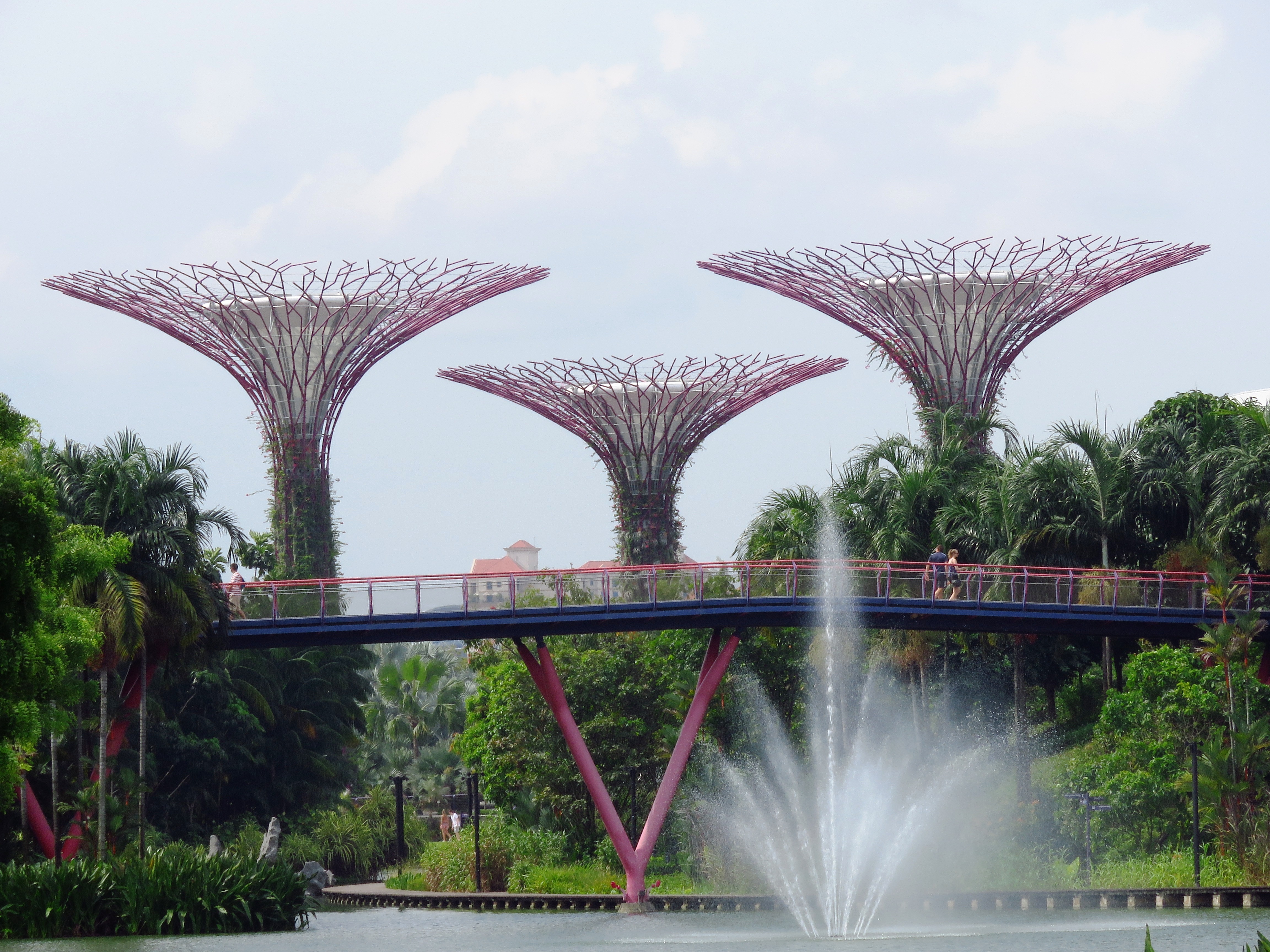
Singapore's approach to adaptation is built around preparation rather than reaction.1
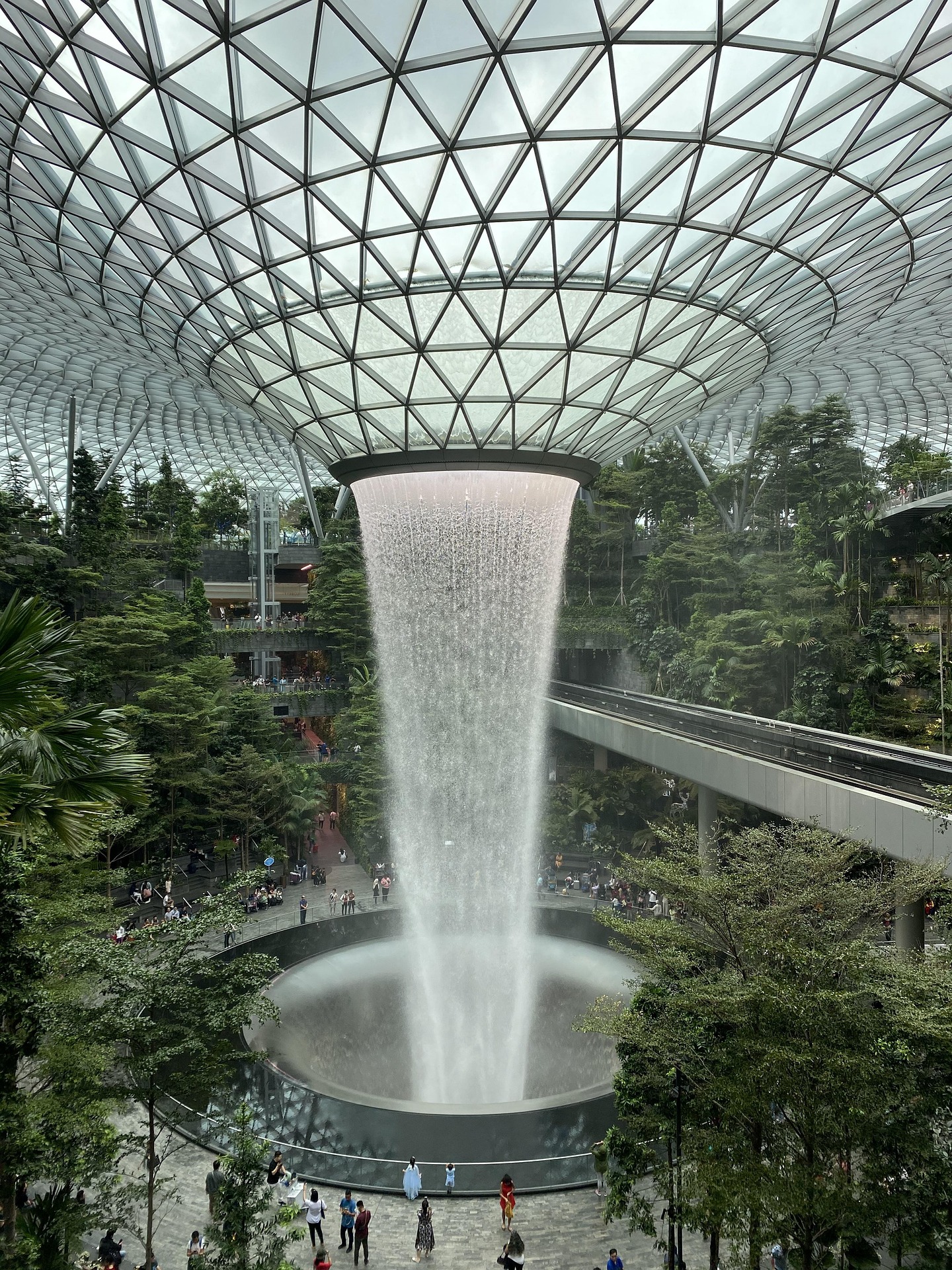
Rather than waiting for droughts or shortages to force change, the city-state has spent decades expanding and diversifying its water portfolio. Through large-scale investments in desalination, wastewater recycling, reservoir development, and public awareness campaigns, Singapore has sought to ensure that no single source determines the country's water security.
This long-term approach has transformed water from a potential vulnerability into a strategic asset. Singapore demonstrates that urban water resilience is not only achieved by responding to scarcity, but also by planning far enough ahead to prevent scarcity from becoming a crisis in the first place.2