Athens
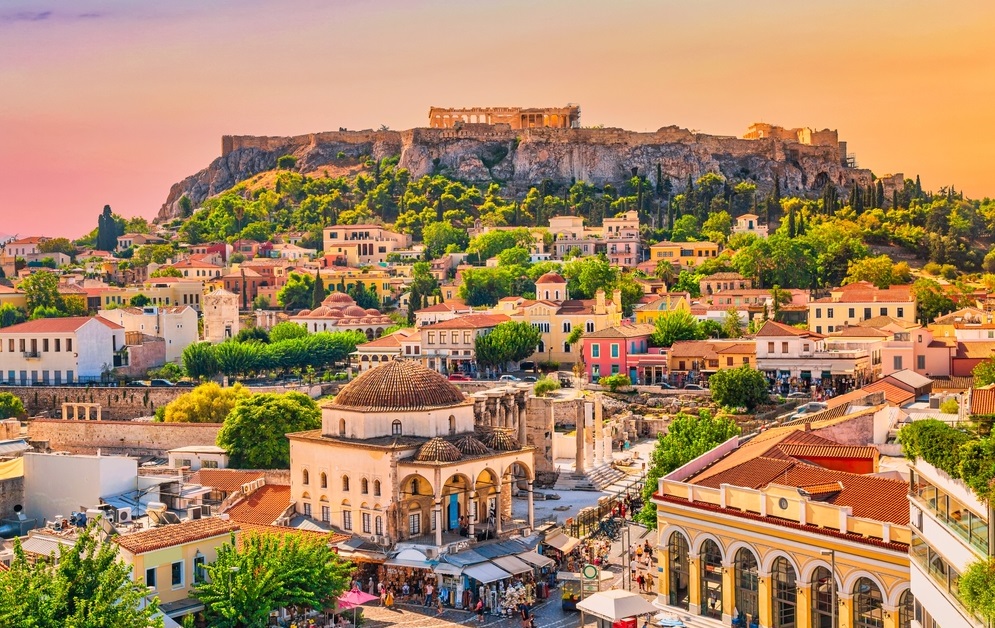
Living with Water Scarcity in Athens
Athens experiences water scarcity differently than many cities facing chronic shortages. For most residents, water access remains reliable, and daily life is rarely disrupted by restrictions or interrupted supply. Yet the city’s stability depends on a system that is more vulnerable than it may first appear.1,2
Athens depends heavily on stored reserves collected during wetter periods. Long, hot summers increase water demand, at the same time rainfall becomes more limited, placing growing pressure on the city’s water system. Water scarcity in Athens is therefore shaped less by immediate shortage and more by the challenge of balancing seasonal demand with available reserves.2,3
The city’s water challenge is closely connected to climate variability, reservoir storage, and long-term planning. As temperatures rise and rainfall patterns become less predictable, Athens increasingly faces pressure to ensure that a functioning system today remains reliable in the future3
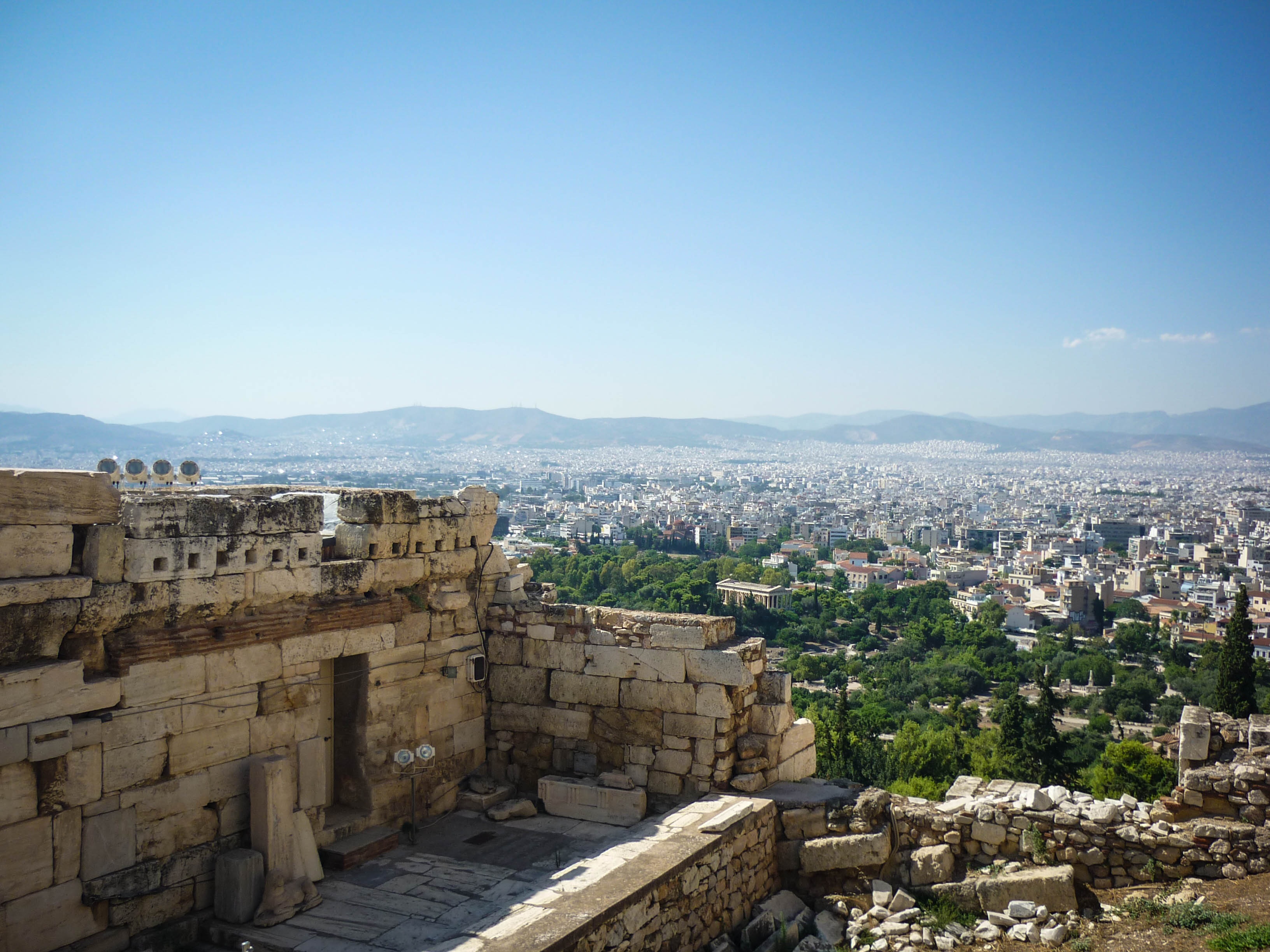
Monthly Reservoir Levels
Annual Precipitation in Athens
Annual Water Abstraction by Source
Adapting to Scarcity
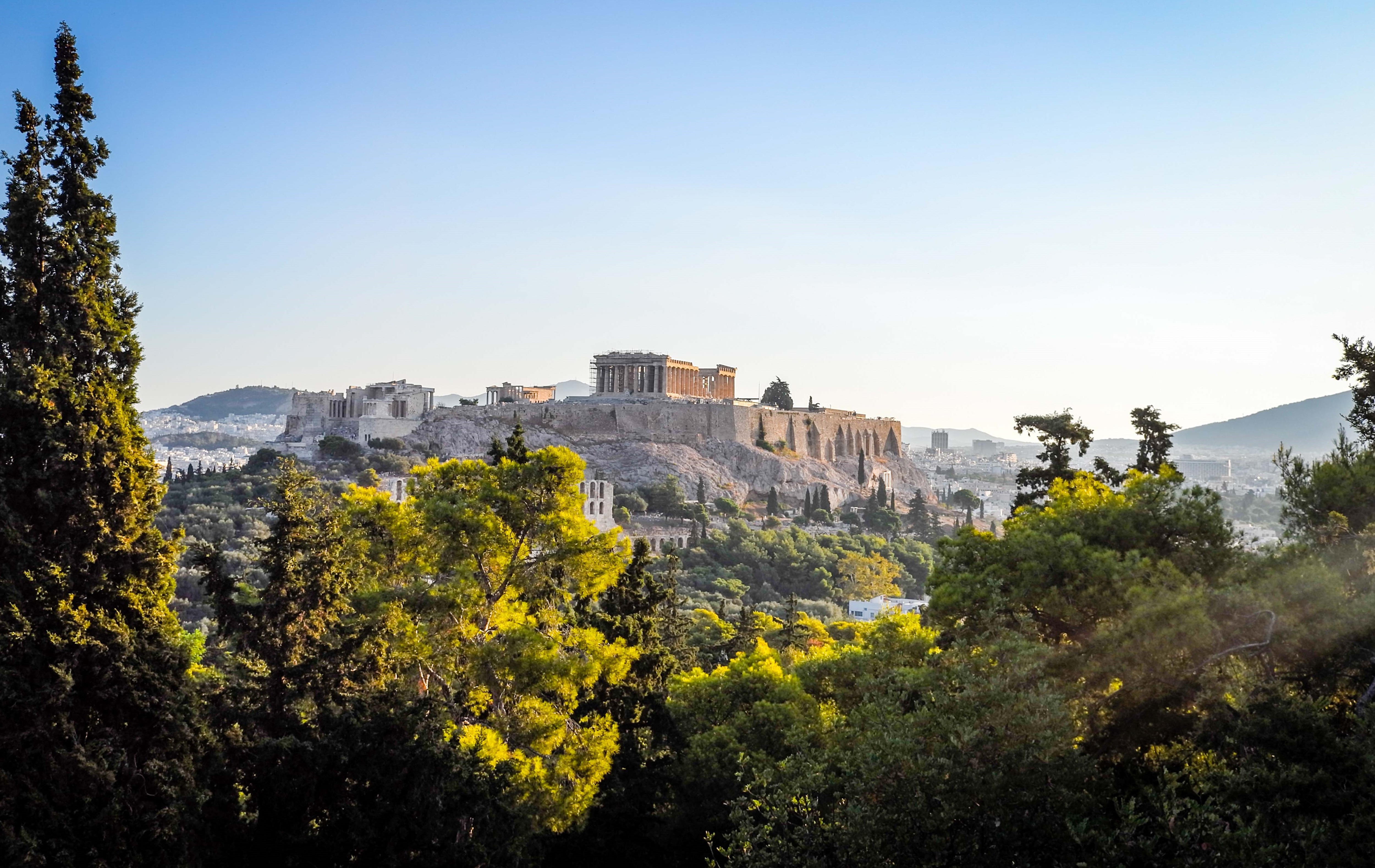
In Athens, adaptation is less about responding to daily shortages and more about preparing for increasing pressure before major disruptions occur. Unlike cities where water scarcity already shapes everyday routines, Athens still benefits from functioning infrastructure and relatively reliable access.1,2
To maintain this stability, long-term planning becomes increasingly important. Monitoring reservoir levels, preparing for longer dry periods, and improving efficiency across the water system are becoming central challenges for policymakers and utilities.2,3
Water scarcity in Athens is therefore not simply about supply. It emerges through the interaction between seasonal demand, climate variability, reservoir recovery, and the city’s ability to anticipate future stress before it becomes visible in everyday life.3