Amsterdam
Living with Water Scarcity in Amsterdam
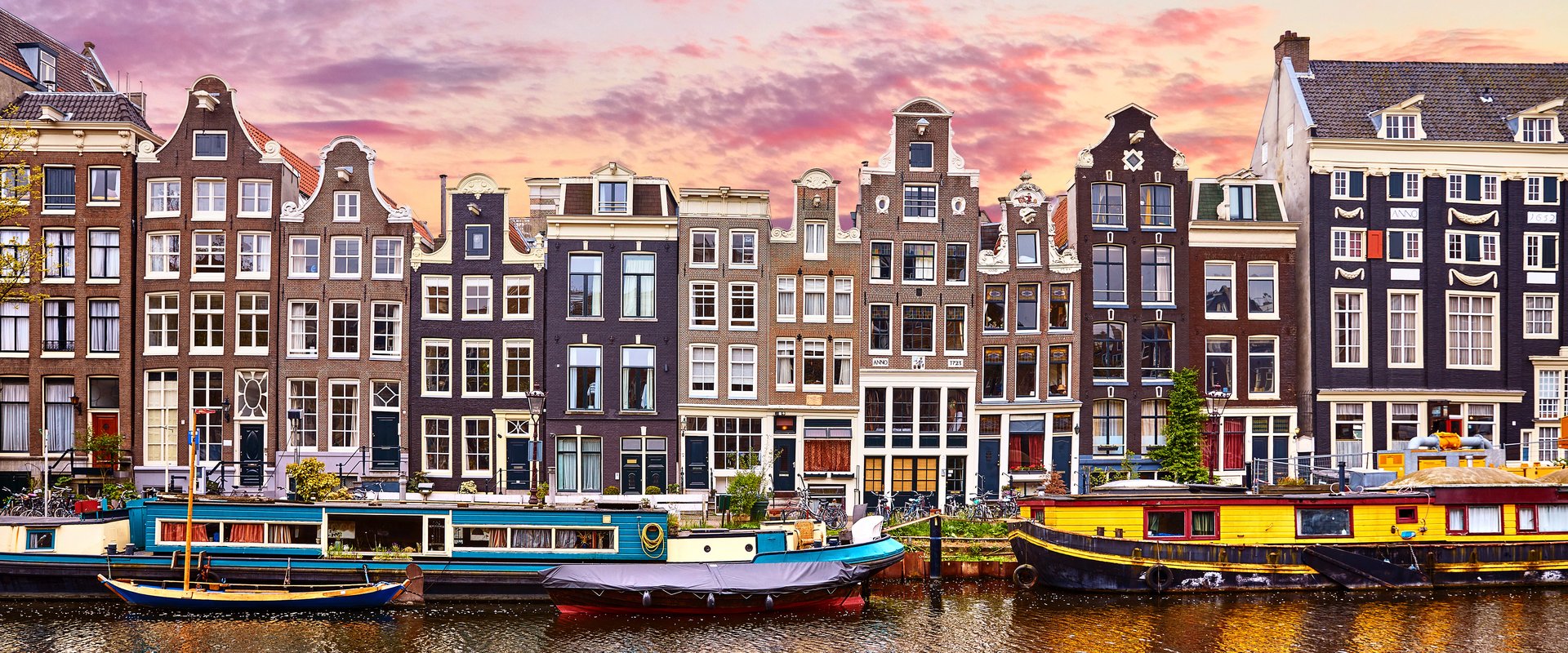
Amsterdam’s relationship with water has always been one of management rather than shortage. Built in a low-lying delta landscape, the city was developed around water and continues to depend on an extensive network of canals, drainage systems, treatment facilities, and flood-control infrastructure.1 Water is not simply a resource, but a defining feature of Amsterdam.
Unlike many cities where water challenges emerge through limited supply, Amsterdam’s challenge comes from maintaining control of water levels. Heavy rainfall, fluctuating river levels, incerased population and demand all place pressure on systems that must simultaneously provide clean drinking water, manage wastewater, and protect the city from flooding.2
Water security in Amsterdam is therefore less about access and more about resilience. The city’s success depends on whether its infrastructure can continue adapting to changing environmental conditions while supporting a growing population and economy.1,3
Amsterdam unfortunately has very limited publicly available data which is a major limitation within this page of the study. However, it is still a valuable comparison as a city with no immnent water scarcity issues.
Annual Precipitation
Annual precipitation in Amsterdam illustrates long-term rainfall variability.
Rainfall is a defining factor for Amsterdam’s water system. While the city does not experience the prolonged drought conditions seen in many water-scarce regions, precipitation varies considerably throughout the year.4
The chart highlights long-term fluctuations in annual rainfall. Periods of intense precipitation can challenge urban drainage capacity, while drier periods may affect freshwater availability and ecosystem health. Together, these patterns demonstrate why effective water management remains essential even in a city where water is generally abundant.3
Adapting to Scarcity
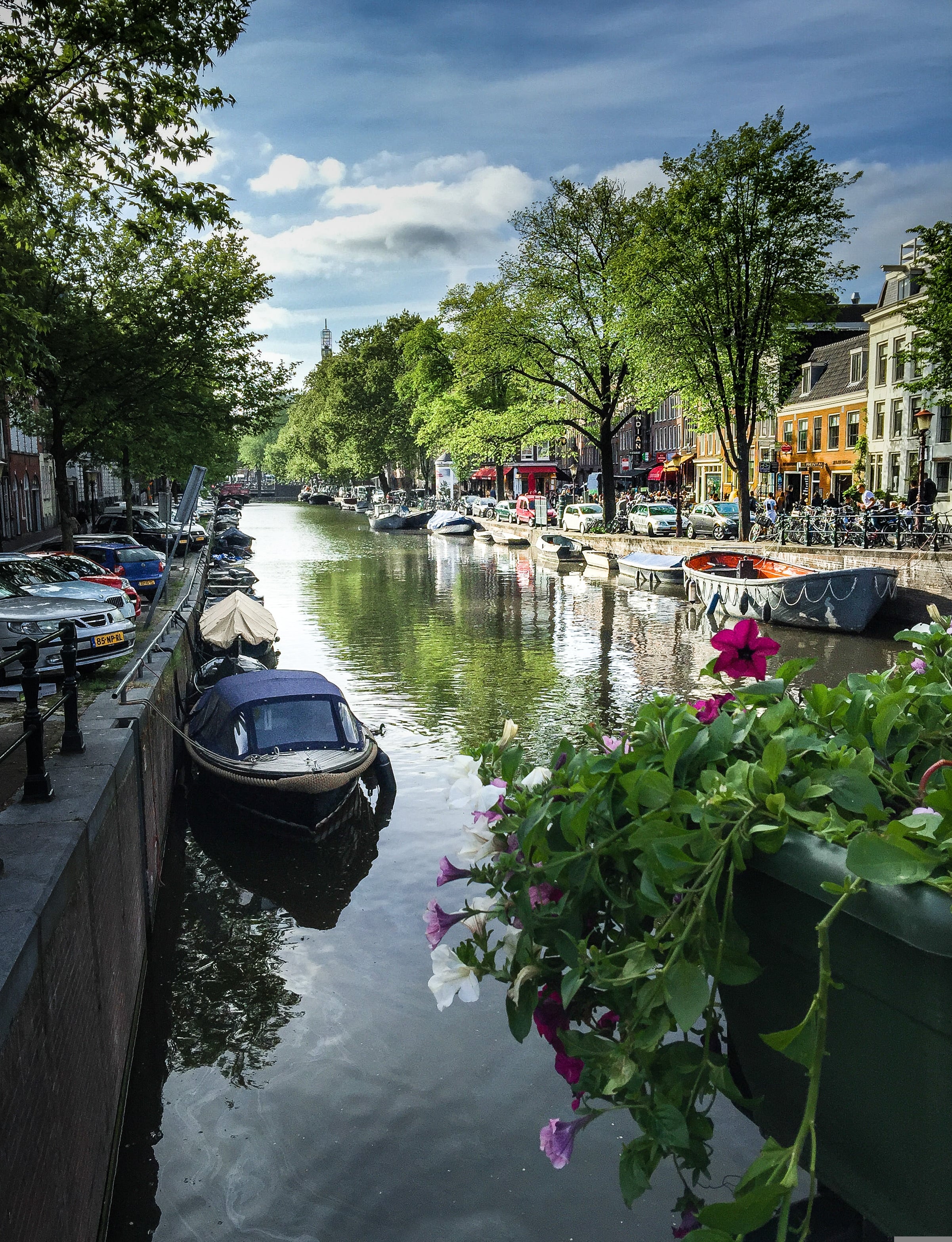
Although Amsterdam is not currently defined by water shortages, adaptation remains a central part of its water strategy. Climate change is expected to increase rainfall intensity, place additional pressure on urban infrastructure, and create new challenges for balancing water quality, storage, and distribution.5
To prepare for these changes, Amsterdam continues investing in resilient infrastructure, integrated water management, and long-term planning. Water authorities increasingly focus on creating systems that can handle both excess water and periods of environmental stress without compromising reliability.2
That makes Amsterdam important to this project. It shows that water pressure is not limited to cities facing extreme drought. Even where water appears plentiful, climate variability, sea-level rise, and urban density create vulnerabilities that demand careful governance. Amsterdam’s case reminds us that resilience is not the absence of risk, it is the long-term capacity to manage uncertainty before it becomes a crisis.6